Shank Hole And Pilot Hole

China Hex Shank Hole Saw Arbor And Pilot Drill Bit China Arbors

7 16 32 152mm Mandrel With Pilot Drill And Quick Exchange Hex

2pc 4 6 5 7mm Steps 8mm Shank Countersink Drilling 3 Steps Pilot
High speed steel hole saw arbor shank is supplied with a standard 49 56 8010 pilot bit for use on wood and metal.

Shank hole and pilot hole. How to drill a pilot hole in wood metal or plasterboard. Expert ron hazelton shares his tips on how to securely screw two boards together by first drilling a clearance hole. Once you have picked the correct drill sizes when actually drilling a clearance pilot hole follow these general tips. For hole saws with 916 in.
In most cases its the shank of the screw thats being stubbornwhich can easily fixed by using a tapered countersink bit to make a new larger size pilot hole. A pilot hole is a small hole drilled into a piece of construction material. The milwaukee 38 in. Fits hole saws from 32 210mm 114 8932 diameter arbor suitable for use with sh dh ct and d hole saws diamond hole saw applications will usually require an arbor with a carbide tipped pilot drill quick hitch arbor allowing instant change of hole saw without tools and without removing the arbor from the chuck.
It is designed for 38 in. The pilot hole formed with the center bit does a much better job because it offers ample clearance for the shank although the shank portion could be a bit longer. The arbor can be used on hole saws with 916 in. Its purpose is a to guide a larger drill to the appropriate location and ease the job of the larger drill b to allow for the insertion of another hole making tool such as a knockout punch that will produce the final sized hole or c to locate guide and provide clearance for a self threading screw in wood or.
In order to do this you first drill a hole with a bit that matches the outer diameter of the screws threads countersinking or counterboring where appropriate. A pilot hole is either small hole drilled into a material to guide a larger drill to the appropriate location and ease the job of the larger drill to allow for the insertion of another hole making tool such as a knockout punch that will produce the final size hole or in wood or plastic to locate guide and provide clearance for a self threading screw to prevent damaging the material or. How to drill a shank hole or clearance hole ron. Then drill a pilot hole in the bottom piece to accept the screws threads.
The shank hole allows for a greater holding strength and eliminates bridging. However test the new pilot hole on a piece of scrap wood first just to make sure its the right fit for the woodscrew. All of the screw holding power is applied from the bottom piece toward the piece with the shank hole. Capacity drills and larger.
Because there is a shank hole the threads of the screw do not force the wood to bubble where the screw exits the top piece. The threaded portion of this hole provides lots of grip for the screw threads although if the screw has a lot of taper to it like old school wood screws do some gripping strength will be lost. Pilot and clearance.
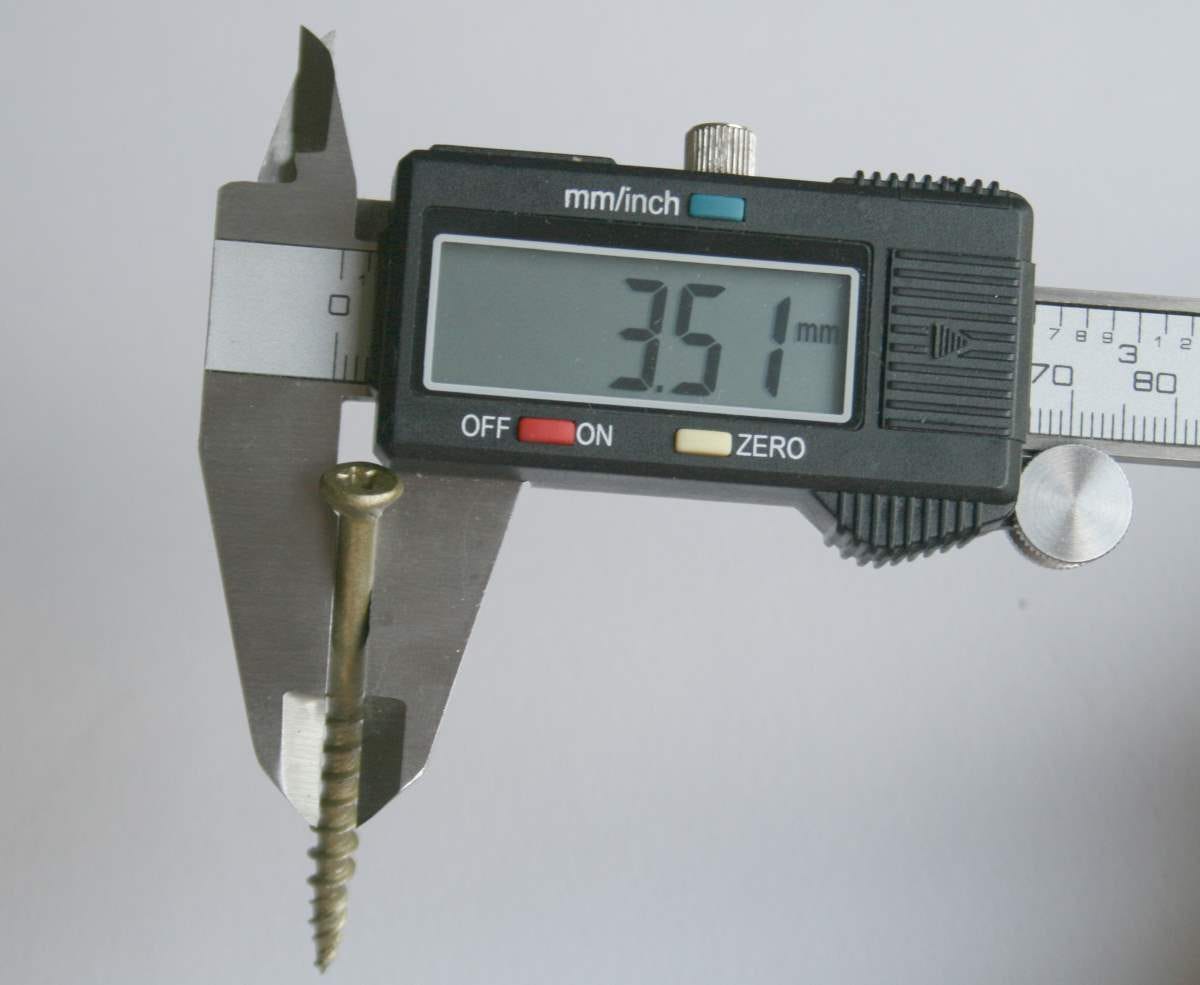
Metric Wood Screw Dimensions Explained Ian Anderson Medium

Super Promo 0f69f 2pcs Hex Shank Self Centering Door Lock Hinge
Pilot Hole Diagram

China Hex Shank Hole Saw Arbors And Pilot Drill Bit China Arbors

Untitled

The Common Wood Screw Canadian Woodworking Magazine

7 16 Hex Shank 5 8 18 Thread Hole Saw Arbor With Pilot Drill

Screw Sizes Explained Pilot Clearance Metric Wall Plugs

Qoo10 3pcs Hinge Self Centering Drill Bit Set Pilot Holes High
