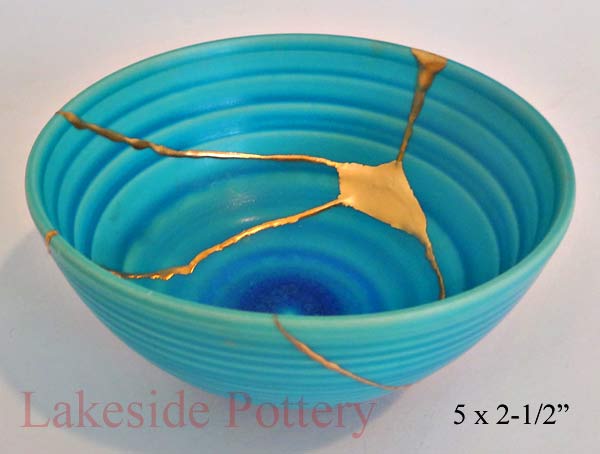
Cracked Bowl Filled With Gold
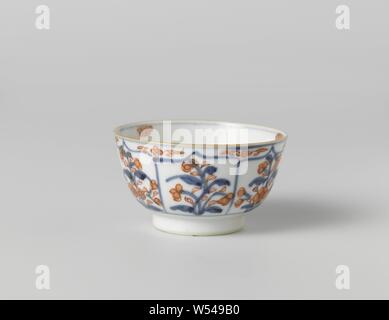
Cup With Petal Shaped Panel Around A Central Medallion Filled
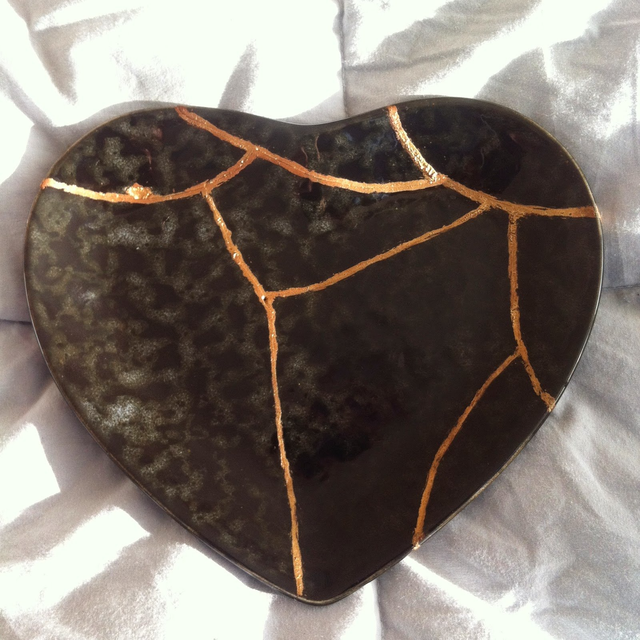
Kintsugi The Art Of Healing
Kintsugi Art
The japanese art of kintsugi teaches that broken objects are not something to hide but to display with pride.

Cracked bowl filled with gold. From then on japanese collectors sometimes would break perfectly ceramics. So now every old scar shows from every time i broke and anyones eyes can see im not. An image has been surfacing persistently of late in my facebook world. Ars electronia flickr the image is accompanied by a few lines about kintsugi the japanese art of fixing broken pottery with gold imbued resin.
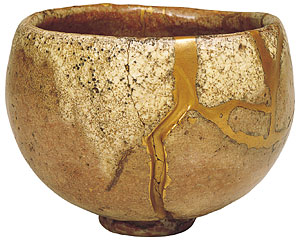
Sackler gallery it was during this time that a japanese warrior infamously purchased broke and repaired standard tea bowls in order to make a profitthat seems to indicate that by the beginning of the 17th century kintsugi was a. As a philosophy it treats breakage and repair as part of the history of an object rather than something to. The shogun had taken something broken and ugly and turned it into something beautiful. The potters decided to fill the cracks with the lacquered resin and powdered gold.
According to lakeside pottery. A ceramic teacup badly evenyou would thinkirreparably cracked. Kintsugi is said to have originated in the 15th century when a japanese shogun broke a favorite tea bowl and sent it back to china to be fixed. According to louise cort the curator of ceramics at the freer gallery of art and arthur m.
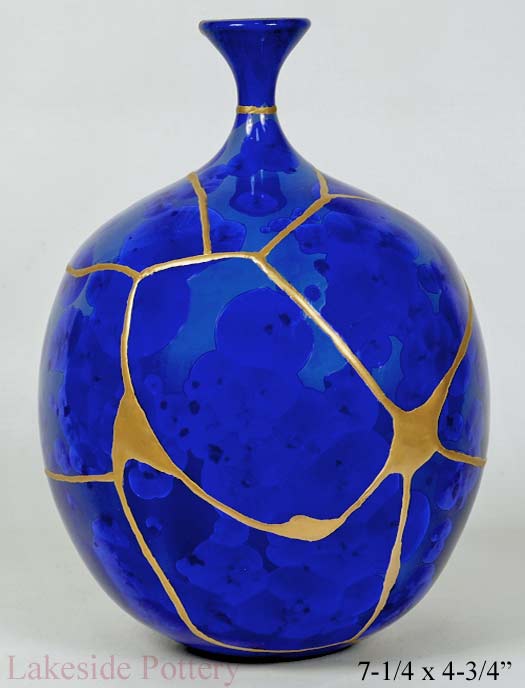
By repairing broken ceramics its possible to give a new lease of life to pottery that becomes even more refined thanks to its scars. By the 17th century kintsugi has become common practice in japan. Kintsugi golden joinery also known as kinsukuroi golden repair is the japanese art of repairing broken pottery by mending the areas of breakage with lacquer dusted or mixed with powdered gold silver or platinum a method similar to the maki e technique. Kintsugi uses lacquer resin mixed with powdered gold silver platinum copper or bronze resulting into something more beautiful than the original.
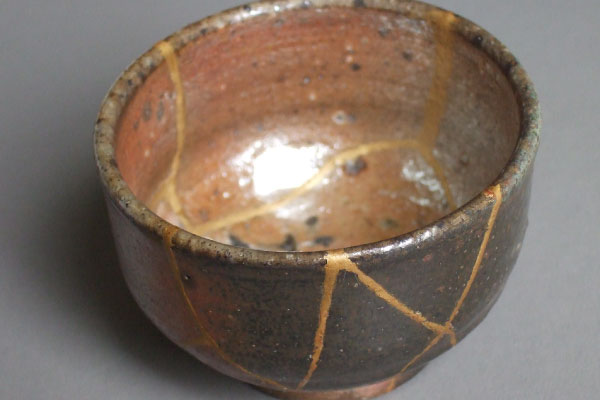
Thats what they used back then when they had a bowl to mend it did not hide the cracks it made them shine instead.

Kintsugi Wikipedia
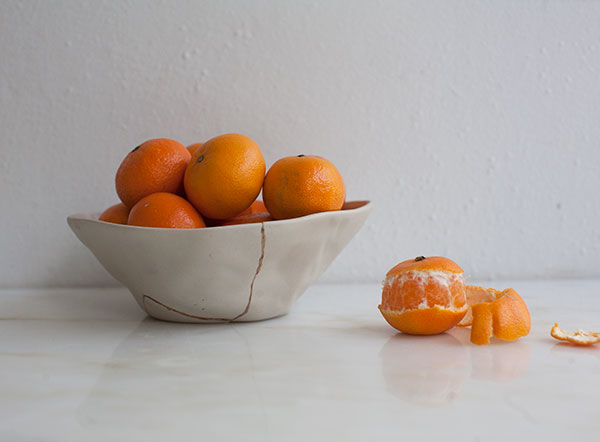
Kintsugi Diy The Japanese Art Of Repair A Cozy Kitchen
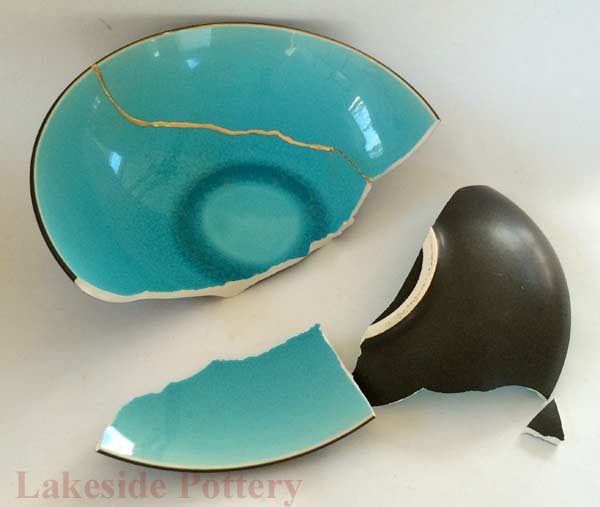
Kintsugi Art How The Repair Made Where To Buy Kintsukuroi Gold

What Is Wabi Sabi
Inthedeepend On Twitter Japanese Art Of Mending Broken Objects
Laughing Listening Learning Week Iii The Chipped Cup
Japanese Kintsugi Kintsukuroi Pottery Gold Repair Lesson

Home Mental Health Repair With Gold
Broken Carpenter Smith Consulting Llc
