Varnish Vs Polyurethane

A Clearer View Of Floor Finishes Old House Journal Magazine
Shellac Vs Polyurethane Vs Varnish Vs Lacquer As Wood Finish The
Lacquer Vs Polyurethane When To Use Each Finish
Polyurethanes on the other hand leave hard and durable coats that are best used for hardwood floors.
Varnish vs polyurethane. There is not much difference between polyurethane vs. Varnish since polyurethane also has some of the advantages and disadvantages of varnish. Varnish is an older type of finish made from resins oils and solvents but very often the term varnish is misused as a generic name for all types of wood fi. Acrylic mixtures are relatively new to the market while polyurethane has been around for years.
Poly is harder and more rigid however and has less oil in it. When applied to wooden surfaces indoors or out varnish cures into a thin and glossy film with a faint yellow or amber tint similar to the finish achieved with oil based polyurethane. Varnish is related to polyurethane in that poly is a type of varnish. Polyurethane is typically applied to hardwood floors that receive a high amount of traffic.
Acrylics are thinner than oil based polyurethane require three to four coats to build a protective layer and require one to two hours to dry between coats. Once the solvent dissolves the resin undergoes a chemical reaction that cant be. While the terms varnish polyurethane lacquer and shellac are commonly used to reference a final finish in general these products are not the same nor are they recommended to be used interchangeably. Like polyurethane varnish is a curing finish.
The ravages of time and use of a piece of furniture can be limited by a durable top or finish coat. It is not a lacquer and not a shellac. Because of the higher ratio of solids varnish is less susceptible to ultraviolet light. Varnish today is usually an alkyd resin mixed with a solvent that cures to dry via a cross linking chemical reaction triggered by oxygen molecules.
Varnish whether it contains alkyd or polyurethane resin or a combination is an example of a curing finish. While polyurethane is water or oil based plastic resin varnish is older and made from resins oils and solvents. Some varnishes may even contain polyurethane. Be sure to stir well when using these flattening agents.
Varnish is typically a glossy finish but flattening agents can be added. Unlike polyurethane varnish is designed for outdoor projects and is not typically used for indoor surfaces such as a hardwood floor.
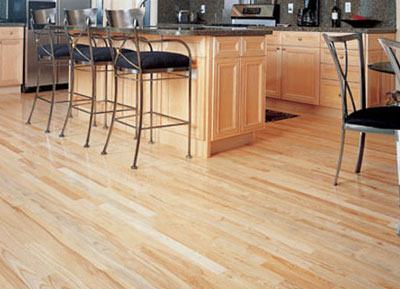
The Advantages Of Water Based Polyurethane Floor Finish
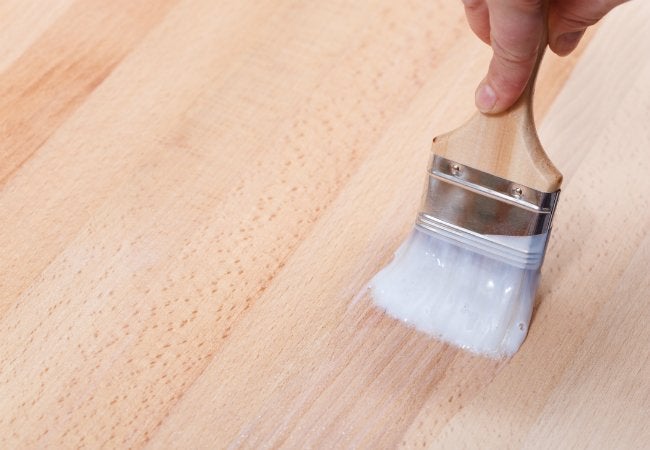
Varnish Vs Polyurethane How To Choose Bob Vila

Polycrylic Vs Polyurethane Vs Lacquer Which Wood Finish To Use
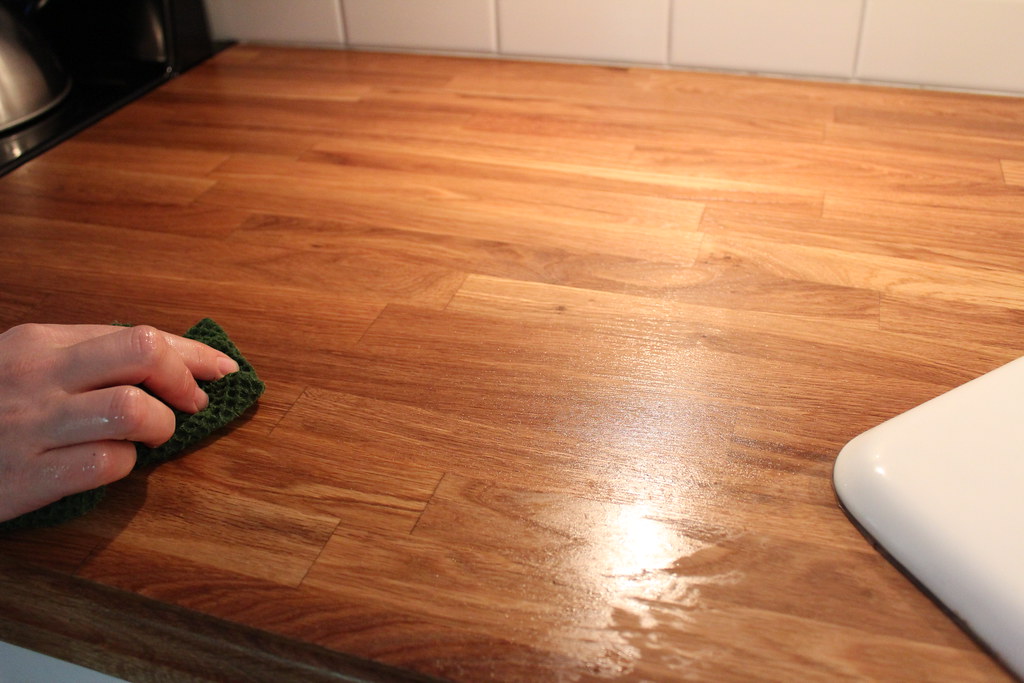
Tung Oil Vs Polyurethane Which One Is Right For Your Diy Project
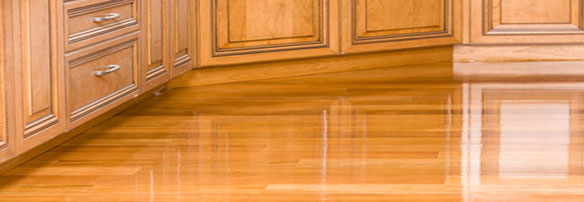
Common Types Of Hardwood Floor Finishes

Tung Oil Vs Polyurethane Which One Is Right For Your Diy
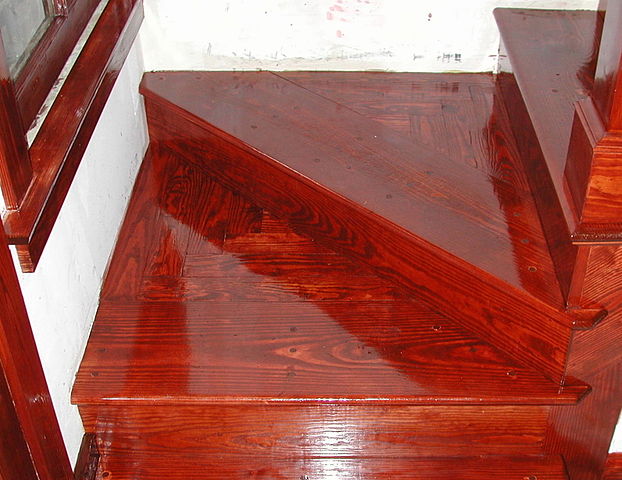
Difference Between Polyurethane And Varnish Difference Between
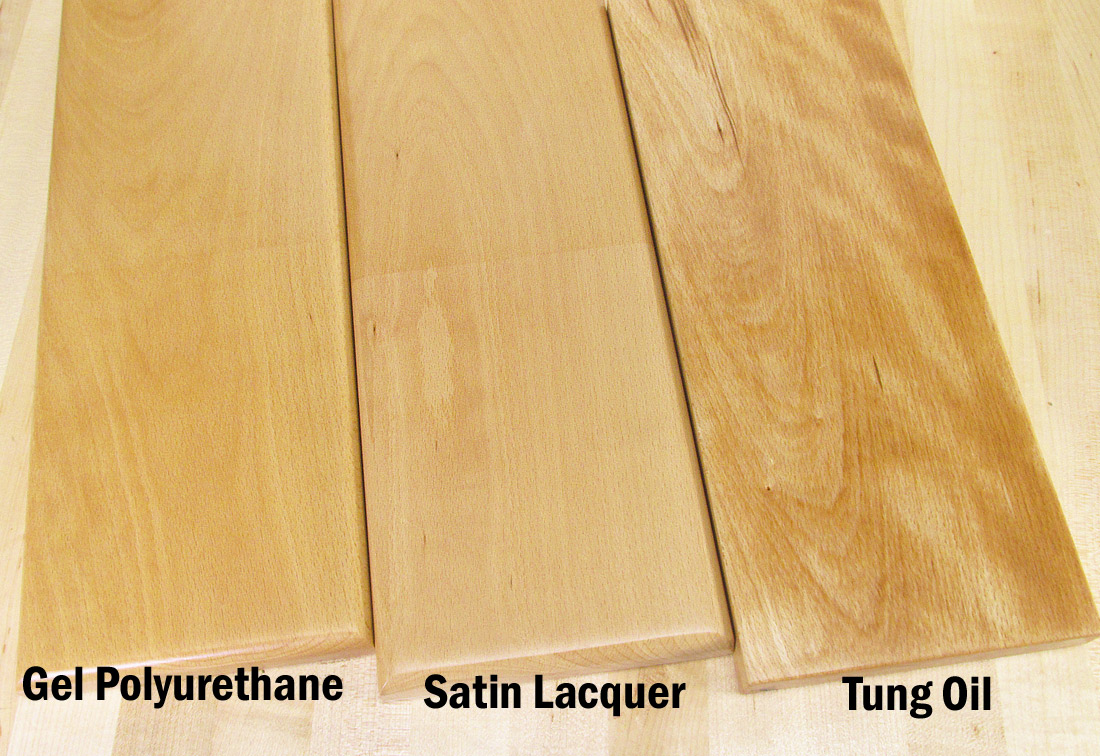
7 Techniques For Finishing Beech Woodworking Projects
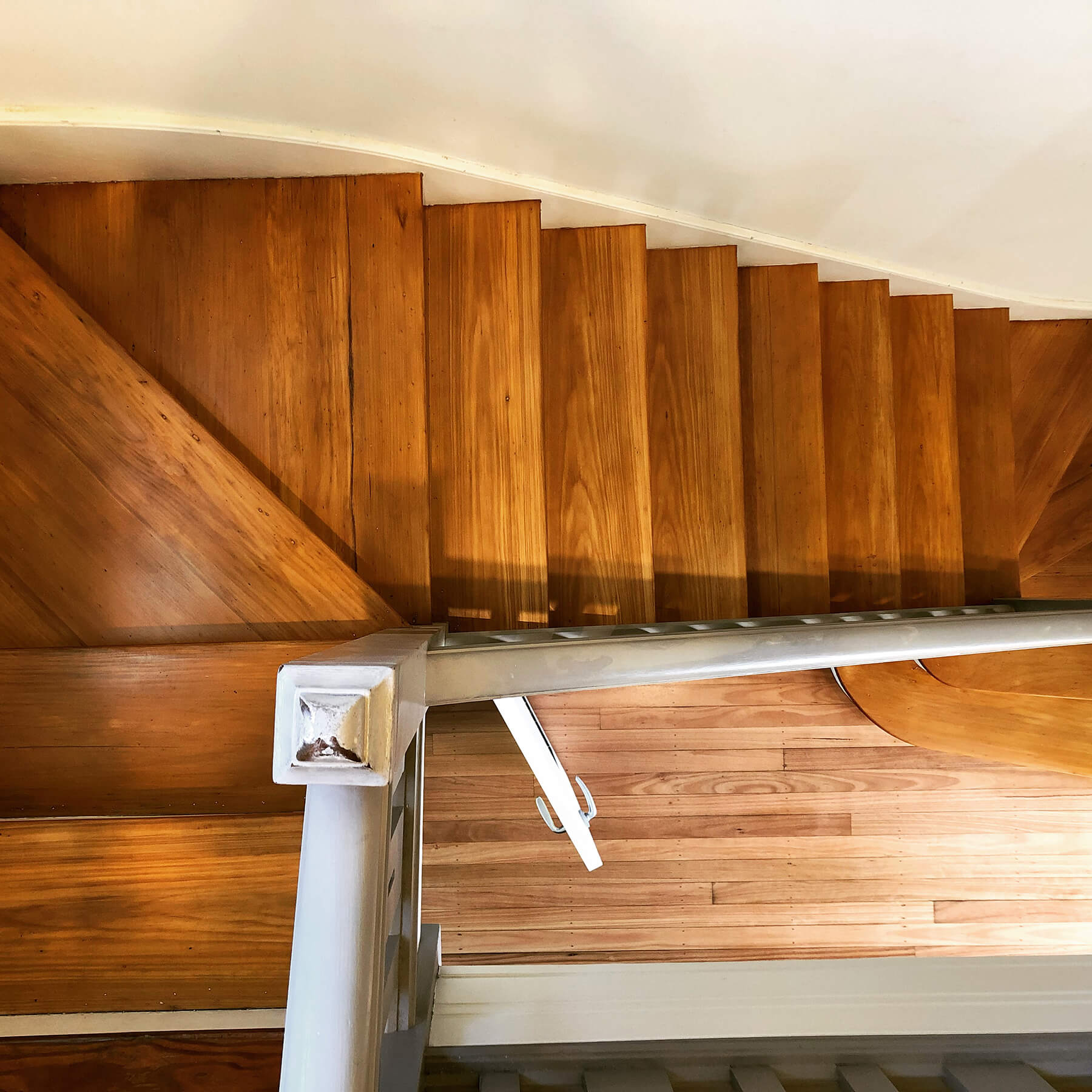
Waterbase Vs Solvent Based Polyurethane City Beach Timber Flooring
